
History of Indian Music
Music was stared with Vedic Era in India. the ancient vedic books of Hinduism such as the Samaveda (1000BCE) are structed entirely to melodic themes. and according to this indian music is combined form pf three arts syllabic recital (vidya) melos(gita) and dance(nertta).The tradition of Indian classical music goes back to the Natyashastra of Bharata Muni and the singing of Samaveda before that. Bharata Natya Shastra, composed by Bharata Muni, is considered to be the first written evidence of the history of Indian music. There are many differences regarding the timing of its creation.
Many aspects of modern Indian classical music are mentioned in this ancient book. After the Natyashastra of Bharata Muni, the musical Ratnakar, composed by Matang Muni’s Brihadeeshi and Sharangadeva, is considered historically the most important treatise. Music and dance are described in detail in this treatise, written in the first half of the twelfth century.
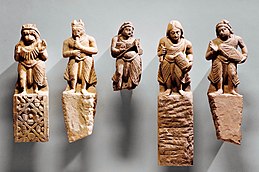
Modern practitioners of Indian music have established that the journey of Indian instruments started from the Vedic period was followed by the introduction of these instruments one after the other. The one-tantra Veena became the tritantri and became famous as Kinnari Veena in the middle of pre-medieval period with Sarika. In the medieval period, this machine came to be known as Jantra, which is still called by the artisans of Bengal. Muslim musicians who arrived in India started calling the three-stringed veena as sa (three) + wire = sahtaar or sitar. Similarly, Sapta Tantri or Chitra-Veena started to be called Sarod. The Mughal state in North India was more spread, due to which the influence of Muslim culture and Islam on North Indian music was felt more. Whereas the music practiced in South India remained untouched by some kind of Muslim influence.
 Shubh Music